Walls Restored to Smooth Finished Condition
Drywall Repair & Texture Services in Las Vegas for damaged surfaces from impacts, moisture, or wear
A doorknob punches through drywall during a windy day, ceiling texture sags after a plumbing leak, or nail pops appear along seams as the home settles. Trusted Handyman Group LLC handles drywall repair and texture matching throughout Las Vegas for property owners dealing with holes, cracks, water damage, or surface imperfections that need blending back into surrounding wall finishes. The work ranges from small patch jobs to larger panel replacements and includes matching existing textures so repairs disappear once painted.
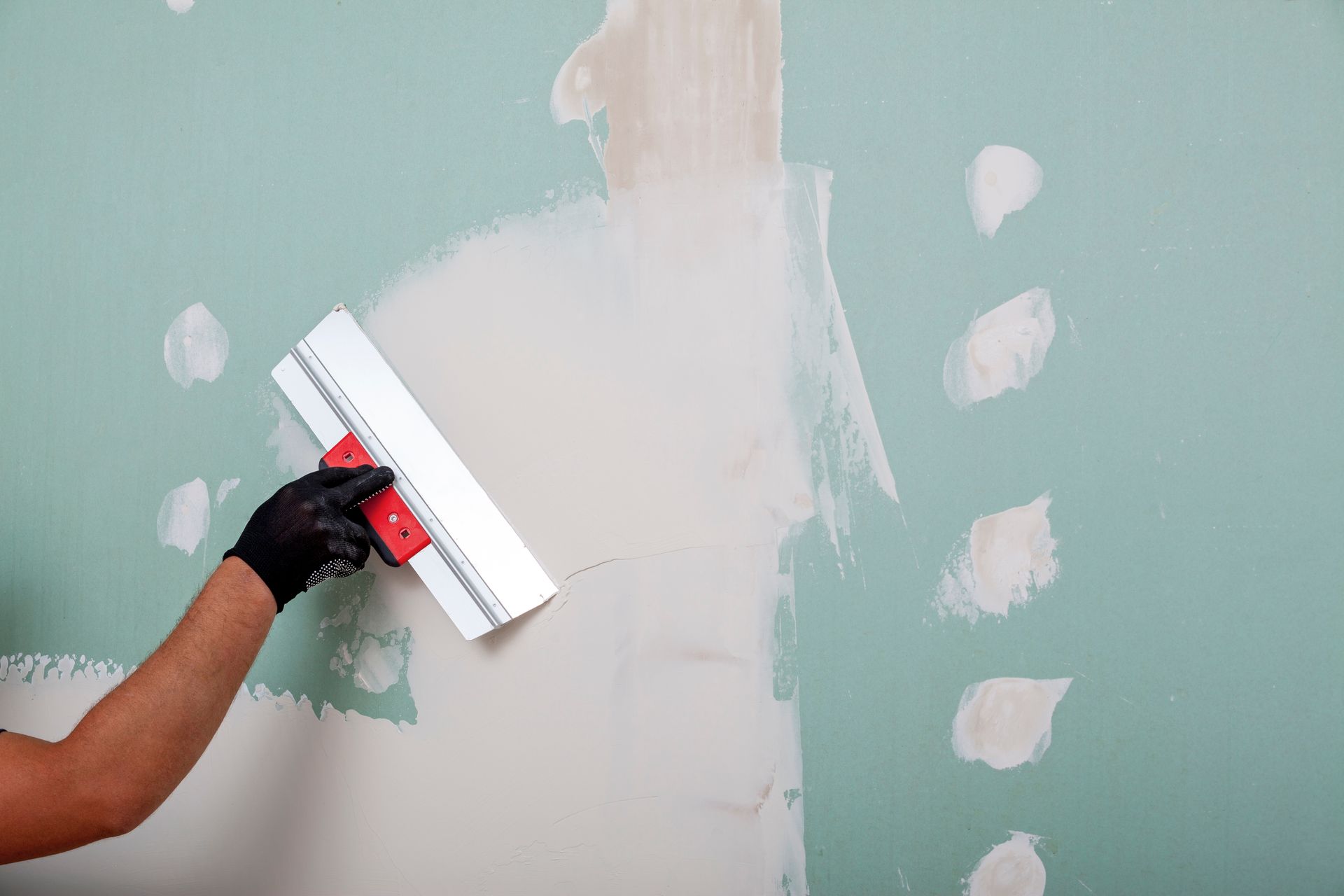
Drywall repair addresses structural damage to gypsum panels, while texture services replicate the surface finish applied over those panels. Repair work involves cutting out damaged sections, installing backing support, securing new drywall, taping and mudding seams, sanding smooth, then applying texture that matches the surrounding pattern. Water-damaged areas require confirming the moisture source is fixed before patching, or the damage recurs within weeks as hidden moisture continues degrading the material.
Arrange an on-site evaluation to assess damage extent and receive repair recommendations with material specifications.
What Changes After Drywall Repairs Complete
Drywall repair restores structural integrity to wall and ceiling surfaces while eliminating visible damage that detracts from appearance. The process involves building up layers—first securing new drywall to framing, then applying joint compound in progressively wider coats that feather edges into surrounding surfaces, sanding between coats to eliminate ridges, and finally texturing to match existing patterns. Texture matching requires identifying the original application method, whether hand-troweled, sprayed, or rolled, then replicating that technique so repaired areas blend invisibly.
You notice patched areas that sit flush with surrounding walls rather than protruding or dishing inward, seams that don't telegraph through paint, and texture patterns that continue uniformly across repaired sections. Ceilings no longer show sagging or water stains, and walls withstand normal contact without soft spots or crumbling edges. After primer and paint application, repaired sections become indistinguishable from original surfaces under normal lighting conditions.
Popcorn ceiling removal adds complexity because the texture often contains multiple layers applied over decades, and removal creates dust throughout the room. This service includes scraping texture, repairing underlying drywall damage, smoothing or retexturing the surface, then priming before final paint application.
Common Questions About This Service
Residents often ask about repair methods, texture matching accuracy, and whether repaired areas remain visible after completion.
What determines whether a hole gets patched or requires panel replacement?
Damage smaller than six inches typically gets patched with backing material and joint compound, while larger holes or areas with extensive cracking require cutting out the damaged section and installing a new drywall piece secured to studs. Water-damaged drywall that feels soft or crumbles always requires replacement regardless of hole size.
How do you match existing wall texture during repairs?
The original texture pattern gets identified by examining application technique—knockdown textures show flattened peaks, orange peel displays rounded bumps, and skip trowel reveals irregular plaster strokes. That same technique then gets replicated over patched areas using similar tools and material consistency, with practice passes on scrap material ensuring pattern accuracy before applying to the actual repair.
Why do some drywall cracks reappear after repair?
Cracks caused by ongoing foundation movement, structural settling, or inadequate framing support will reopen unless the underlying movement stops. Surface cracks from minor settling can be successfully repaired, but active structural issues require addressing the framing or foundation problem before drywall repairs hold permanently.
What prep work happens before repairing water-damaged drywall in Las Vegas homes?
The moisture source must be identified and repaired first, then damaged drywall is removed and the wall cavity allowed to dry completely before installing new material. Rushing repairs while framing remains damp leads to mold growth and repeat failures within months.
How long before repaired drywall can be painted?
Joint compound requires 24 hours of drying time between coats, with total repair time ranging from two to four days depending on damage extent and number of compound layers needed. Texture must also dry completely before priming, usually another 24 hours, so full repairs typically span three to five days from start to paint-ready condition.
Trusted Handyman Group LLC restores damaged drywall to smooth finished condition with texture matching and surface prep for painting. Schedule a damage assessment to discuss repair approach and receive a project estimate for your specific wall or ceiling concerns.