
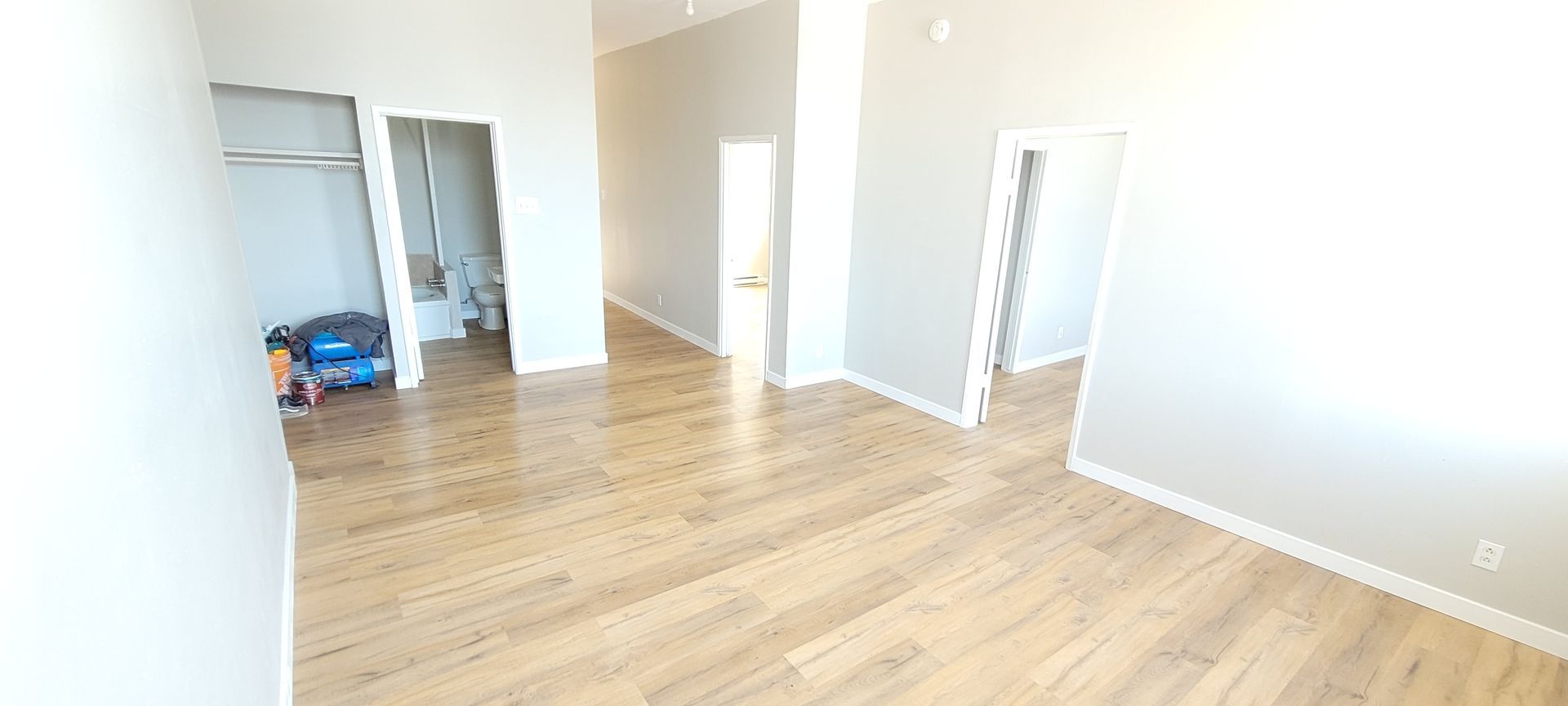
Floors Built for Daily Traffic Patterns
Flooring Installation in Las Vegas for spaces needing durable surface upgrades
Worn laminate shows swelling along seams where moisture seeped underneath, tile grout crumbles and leaves gaps that collect debris, or outdated flooring detracts from updated room finishes. Flooring installation from Trusted Handyman Group LLC addresses these conditions for Las Vegas property owners upgrading rooms, replacing damaged materials, or improving function in high-traffic areas. Installation services cover tile, laminate, and wood flooring with removal of existing materials, subfloor preparation, and finish work including transitions and trim.
Flooring installation begins with removing old materials and inspecting the subfloor for damage, levelness, and moisture issues that affect new flooring performance. Subfloor repairs get completed before installation starts, since uneven or damaged underlayment causes new flooring to crack, squeak, or wear prematurely. Material choice depends on room function and exposure—tile works well in moisture-prone areas, laminate offers cost-effective appearance in bedrooms and living spaces, and wood provides durability in areas without water exposure.
Request a flooring consultation to evaluate your existing surfaces and discuss material options suited to your space requirements.
What You Notice Once Flooring Installation Finishes
Proper flooring installation produces level surfaces without dips or raised edges, tight seams that don't separate under foot traffic, and secure attachment that eliminates squeaking or flexing when walked on. Tile installations require setting each piece in mortar with consistent spacing, checking level continuously across the surface, and grouting joints completely so moisture can't penetrate to the subfloor. Laminate flooring involves precise cutting around obstacles, leaving expansion gaps along walls that accommodate material movement, and ensuring each plank locks securely to adjacent pieces without forcing connections that stress the locking mechanism.
You walk across finished floors that feel solid underfoot without hollow sounds or movement, see clean transitions between different flooring types or room thresholds, and notice baseboards reinstalled flush against the new floor height. Tile surfaces drain properly without water pooling in low spots, laminate planks run in visually appealing patterns without obvious seams, and wood flooring displays consistent stain color across the installation. Doorways operate smoothly without scraping the new floor surface, indicating proper height planning during installation.
Flooring installation also includes decisions about underlayment type, which affects sound transmission, cushioning, and moisture protection. The subfloor condition, flooring material, and room location determine whether foam, cork, or moisture-barrier underlayment provides the best performance for your specific installation.
What Property Owners Usually Ask
Questions about material selection, installation time, and subfloor requirements come up frequently before flooring projects begin.
What subfloor problems affect new flooring installation?
Uneven surfaces cause tile to crack and laminate to gap at seams, moisture damage creates soft spots that compress under weight, and inadequate fastening allows subfloors to flex and squeak. Subfloor inspection identifies these issues so they're corrected before new flooring goes down, preventing premature failure of the new materials.
How do you handle flooring transitions between rooms?
Transition strips bridge height differences between flooring types, cover expansion gaps where flooring materials change, and provide finished edges at doorways. The transition type depends on the height difference and flooring materials involved—T-molding works for same-height materials, reducers handle height changes, and thresholds finish edges at exterior doors.
Why does laminate flooring require expansion gaps along walls?
Laminate expands and contracts with temperature and humidity changes, and without space to move, the planks buckle or push up at seams. Gaps along walls get covered by baseboards, so they're invisible while still allowing necessary material movement throughout the installation.
What affects flooring installation time in Las Vegas homes?
Room size, material type, and subfloor condition determine project duration—simple laminate installation in an empty bedroom may complete in one day, while tile work requiring subfloor repair and custom cuts around fixtures takes several days including mortar and grout curing time.
How soon can furniture go back on newly installed floors?
Laminate flooring accepts furniture immediately after installation, tile requires 24 to 48 hours for mortar to cure before heavy loads, and wood flooring needs time for finish coats to harden fully. Each material has specific curing requirements that protect the installation from damage during the hardening period.
Trusted Handyman Group LLC handles flooring installations with attention to subfloor prep, material layout, and finish details. Get a flooring quote that addresses your room dimensions, material preferences, and current floor condition for accurate project planning.